All Categories
Featured
Table of Contents
Operational Demands of Sacred Spaces in 2026
Managing the outdoor environment of a religious facility requires a departure from standard commercial property maintenance. For asset managers overseeing portfolios that include churches, synagogues, or temples, the priority shifts from simple curb appeal to a standard of reverence. In 2026, the expectations for these spaces have increased as congregations look for environments that facilitate reflection and community gathering. Properties must be kept in pristine condition, yet the work itself should remain nearly invisible to those visiting for worship or counseling.
Efficiency in these settings often hinges on the ability of a provider to handle multiple locations under a single administrative umbrella. Regional managers for religious organizations across the local area find that fragmented contracts often lead to inconsistent aesthetics. Standardizing the quality of greenery, turf health, and hardscape cleanliness across twenty or thirty different sites ensures that the brand of the organization remains strong. This uniformity is especially critical for dioceses or regional boards that move clergy and staff between locations regularly. When every site meets the same high standard, it creates a sense of continuity for the faith community.
Sensitivity to Religious Calendars and Quiet Hours
One of the most complex aspects of maintaining religious grounds involves scheduling. Unlike a typical office park where work can happen during the standard nine-to-five window, churches have unpredictable needs. A Tuesday morning might suddenly require absolute silence for a funeral service. A Friday afternoon might see a surge in foot traffic for a wedding or a community food bank. Asset managers now use highly coordinated scheduling platforms to ensure crews are never onsite during these sensitive moments.
The transition to all-electric equipment has become a standard requirement for religious sites in California and other noise-sensitive regions. By 2026, the roar of gas-powered blowers and mowers is largely a thing of the past in residential and spiritual zones. This shift allows for more flexible working windows, as quiet electric gear can be used earlier in the morning or later in the evening without disturbing neighbors or early-morning prayer groups. Maintenance crews specialized in Pacific Green Landscape Maintenance for Community Value understand these specific nuances, ensuring that the hum of a trimmer never drowns out a sermon or a moment of silence.
Safety and Accessibility Standards for Large Congregations
Religious facilities often host a demographic range from toddlers to the elderly, making property safety a top concern for risk managers. In 2026, liability management has become more data-driven. Asset managers look for grounds partners who perform regular safety audits of walkways, parking lots, and entryways. An uneven paver or a patch of moss on a shaded walkway is not just an eyesore; it is a significant slip-and-fall risk for older congregants.
Proactive tree care is another essential component of facility safety. Large, mature trees often provide the shade and character that make a church property feel established and peaceful. However, those same trees require professional arboriculture to prevent limb failure during the increasingly unpredictable weather patterns seen in the region. Systematic pruning and health assessments ensure that the outdoor sanctuary remains a safe haven rather than a hazard. Organizations seeking Pacific Green Landscape Maintenance Board Member Landscape Support find that regional expertise matters when balancing the preservation of old-growth trees with the safety of modern infrastructure.
Environmental Stewardship and Regional Compliance
In 2026, religious institutions are often leaders in environmental stewardship. Many faith-based organizations have adopted mandates to reduce water consumption and eliminate the use of harsh synthetic chemicals on their grounds. This is particularly relevant in areas like the surrounding suburbs, where water costs and local regulations have tightened significantly. Asset managers are tasked with converting thirsty, traditional turf areas into water-wise gardens that feature native plants and smart irrigation systems.
These sustainable conversions do more than just save money on utility bills. They serve as a physical representation of the organization's commitment to caring for the earth. Using drought-tolerant species that attract local pollinators can turn a simple church yard into an educational garden for the youth ministry. Furthermore, diocesan leaders often prioritize Pacific Green Landscape Maintenance Support to maintain consistent standards while adhering to these green initiatives. The goal is to create a space that is both beautiful and ethically managed, reflecting the values of the people who worship inside the walls.
Managing Multi-Site Logistics with Precision
For the professional asset manager, the logistical challenge of religious facility care lies in the details. It is no longer enough to have someone show up and mow the grass once a week. In 2026, the integration of Hoa Board Members into a broader facility management plan requires clear communication and real-time reporting. Managers need to know that every gate was locked, every sprinkler head is functioning, and every memorial garden has been weeded before a major holiday weekend.
The arrival of a holy day, such as Easter or Christmas, puts immense pressure on the physical appearance of a religious site. During these peak times, the grounds must be at their absolute best to welcome large numbers of visitors. A high-performing maintenance partner anticipates these dates months in advance, coordinating seasonal color rotations and mulch refreshes to ensure the property is camera-ready. This level of foresight allows religious leaders to focus on their ministry rather than worrying about whether the hedges are trimmed or the trash has been cleared from the parking lot.
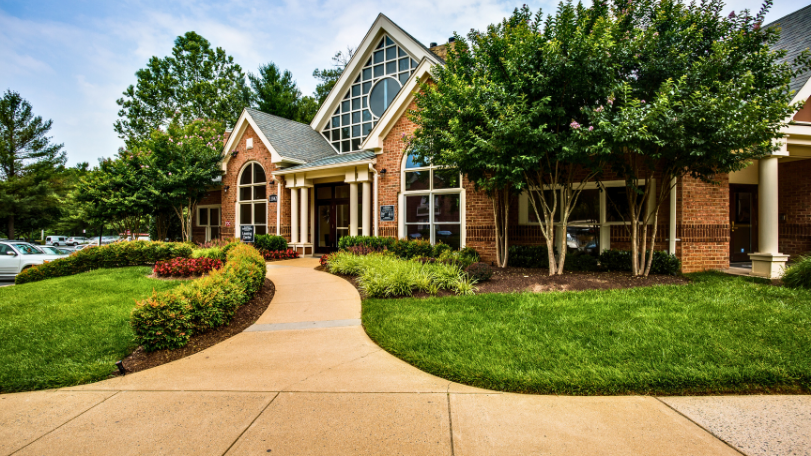
Ultimately, the care of religious grounds is an act of service. It requires a partner who respects the sanctity of the site and understands the unique pressures placed on religious administrators. By combining professional operational efficiency with a deep sensitivity to the spiritual mission of the facility, asset managers can ensure these community anchors remain vibrant and welcoming for years to come. Whether it is a historic chapel in the local community or a modern multi-campus ministry center, the standard of excellence remains the same: a perfectly maintained environment that honors the purpose of the space.

Table of Contents
Latest Posts
Maximizing Operational Continuity with Hoa Board Members
Latest Posts
Maximizing Operational Continuity with Hoa Board Members